
[*Please note, this brief article does not address the pros and cons of fluoridation. The author merely intends to inform the reader as to the true scope of the pro-fluoridation agenda. For source material, please see references at bottom of article.]
To date, some 24 countries either allow or mandate water fluoridation for the express purpose of improving public oral health. However, water fluoridation is a highly inefficient method of dispensing fluoride for human consumption. Most of the water that is typically pumped through community water systems is not ingested by humans but is used for many other purposes such as sanitation and irrigation. Using community water systems to dispense fluoride is also very expensive and assumes that regional governments and local communities have both the technological sophistication and financial resources available to create, operate, and maintain all of the necessary infrastructure.
By the mid-1950’s, Swiss fluoridation proponents began promoting fluoridated salt as a cheaper and more efficient method of delivering fluoride to the masses. Salt fluoridation is now being utilized in more countries (25) than water fluoridation. By 2010, it was estimated that at least 370 million people around the world regularly consumed either artificially fluoridated water or fluoridated salt.
The United States has the technical ability, financial resources, and a historical track record of using public water systems to deliver fluoride. That makes salt fluoridation a non-starter for most Americans. But as for the rest of the world, salt fluoridation has become the preferred alternative. In fact, many of the same European countries which had historically cited water fluoridation as either impractical or morally unethical, are now allowing salt fluoridation. In addition to Switzerland, other countries that currently have salt fluoridation include: France, Germany, Poland, Spain, Finland, Serbia, Czech Republic, Slovakia, Belgium, Denmark, Austria, Romania, Mexico, Jamaica, Belize, Costa Rica, Cuba, Dominican Republic, Columbia, Peru, Bolivia, Ecuador, Uruguay, and Venezuela.
The World Health Organization has outlined a set of ambitious fluoridation goals to be achieved by the year 2030. A document entitled, “Draft Global Oral Health Action Plan (2023–2030)” details specific targets which include insuring that 50% of all the countries of the world achieve national guidance on “optimal fluoride delivery” for oral health of the population by the year 2030. The W.H.O.’s fluoridation goals support the U.N.’s “2030 Sustainable Development Agenda”, (of which the United States, along with 192 other countries, is a signatory – Obama/2015). Strategies include such things as corporate tax breaks and tax incentives designed to enhance private/public collaboration in order to implement national fluoride delivery systems. These so-called “delivery systems” go far beyond making products such as fluoridated toothpastes and fluoride rinses readily available to the masses, but include adding fluoride to “systemic” consumables such as water, salt, and/or milk.

In 2001, the Pan American Health Organization (PAHO), created a document entitled, “General Guidelines for Drafting a Legal Framework for Mandatory Iodization and Fluoridation of Salt for Human Consumption”. Today, most of the countries in the Americas have successfully implemented obligatory salt fluoridation programs.
For sensitive individuals, or those who wish to avoid ingesting fluoride, salt fluoridation should not be considered preferrable to water fluoridation. While installing a household reverse osmosis filter can remove most, (but not all), of the fluoride in drinking water, there is no practical method available to the consumer for removing fluoride from salt. Processed foods containing fluoridated salt will become almost impossible to avoid if universal salt fluoridation becomes a reality. Some of the world’s largest corporate food processors, (such as the Kellogg Company, which markets food products in 180 countries), have been promoting and funding national and international salt fluoridation programs for decades.
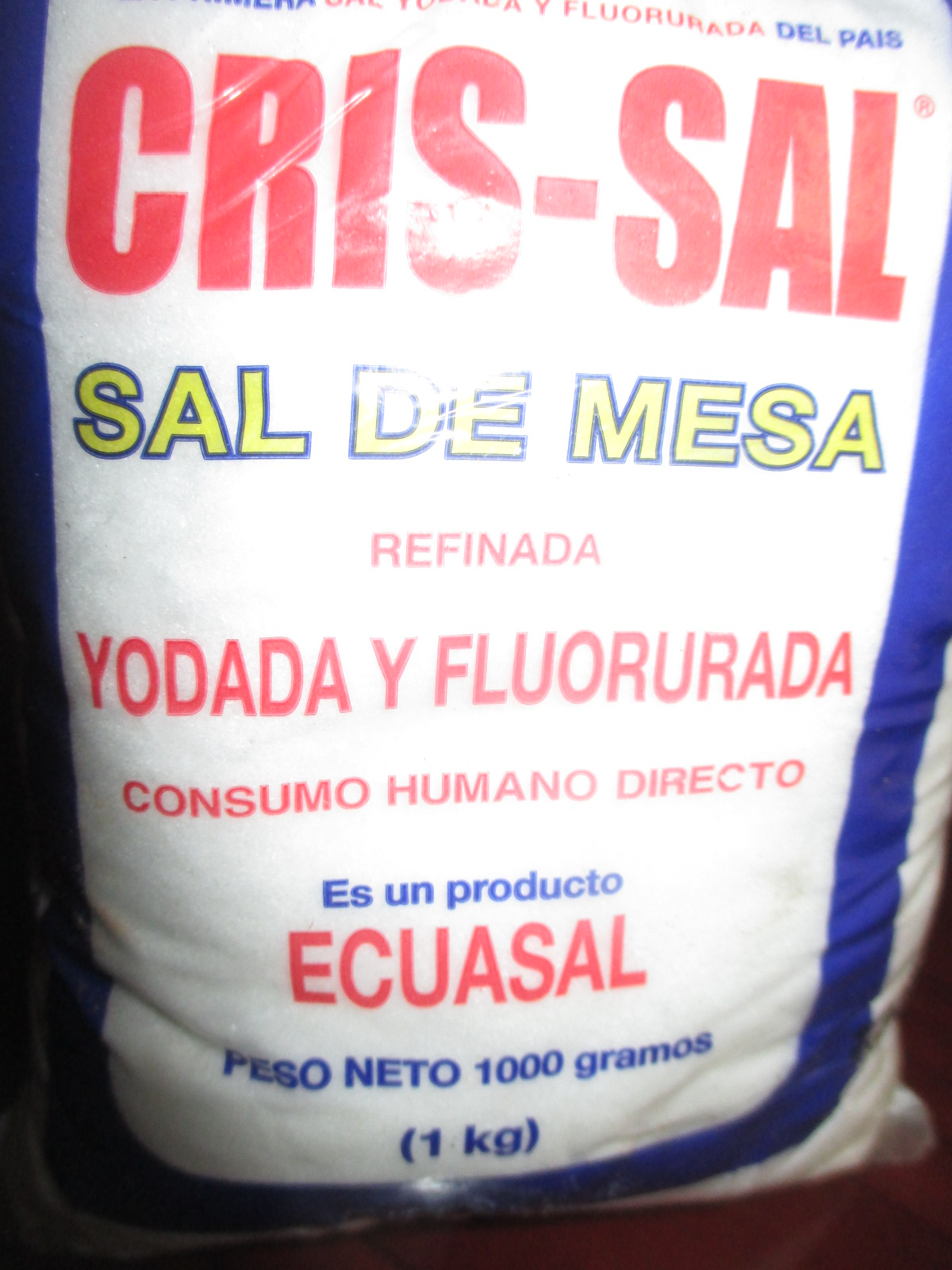
Unfortunately, few governments are providing warnings, exclusions, and exceptions against using fluoridated salt to people living in regions where there is already a high concentration of naturally occurring fluoride in the water, or where other methods of fluoridation are already employed. To their credit, while the French government supports salt fluoridation, they also posit warnings against using fluoridated salt if a person resides in an area where the natural fluoride level in private or community water supplies is at or above 0.5 parts per million. The ingestion of fluoridated salt on top of drinking fluoridated water would likely result in a variety of negative health outcomes known to be associated with fluoride toxicity.
“Most countries in the Americas now have obligatory salt fluoridation programs.”
[OVERVIEW OF SALT FLUORIDATION IN THE REGION OF THE AMERICAS, PART I: STRATEGIES,
COST-BENEFIT ANALYSIS, AND LEGAL MECHANISMS UTILIZED IN THE NATIONAL PROGRAMS OF SALT FLUORIDATION PUBLICATION: SALT 2000, 8TH WORLD SALT SYMPOSIUM, VOLUME 2, PG 983-88, 2000.]
Meanwhile, research continues to accumulate showing that fluoride ingestion, even at the low levels present in “optimally” fluoridated water, may contribute to multiple adverse health effects over time. Ironically, heart health experts have been telling people to cut down on their salt intake for decades. If fluoridated salt becomes “universal”, maybe everyone should heed that advice.
Sources for this article include:
https://poisonfluoride.com/pfpc/html/salt_facts.html#1
https://iris.paho.org/bitstream/handle/10665.2/42867/oral1salt_eng.pdf?sequence=1
https://iris.paho.org/bitstream/handle/10665.2/736/9275116156.pdf?sequence=1
https://iris.paho.org/handle/10665.2/42865
https://en.wikipedia.org/wiki/Water_fluoridation_by_country
https://www.who.int/publications/m/item/draft-global-oral-health-action-plan-%282023-2030%29
https://worldpopulationreview.com/country-rankings/water-fluoridation-by-country
 omots page